Renaming to Manor Farm
In the final chapter of George Orwell's Animal Farm, Napoleon, the pig who has long since consolidated absolute power, announces the abolition of the farm's revolutionary name. At a banquet attended by neighbouring human farmers, he declares that henceforward the farm is to be known as "The Manor Farm"—which, he asserts, is its "correct and original name." This act of renaming is the culmination of a long process of betrayal, erasing the last symbolic trace of the Rebellion and completing the pigs' transformation into the very thing they once overthrew.
The Context of the Renaming
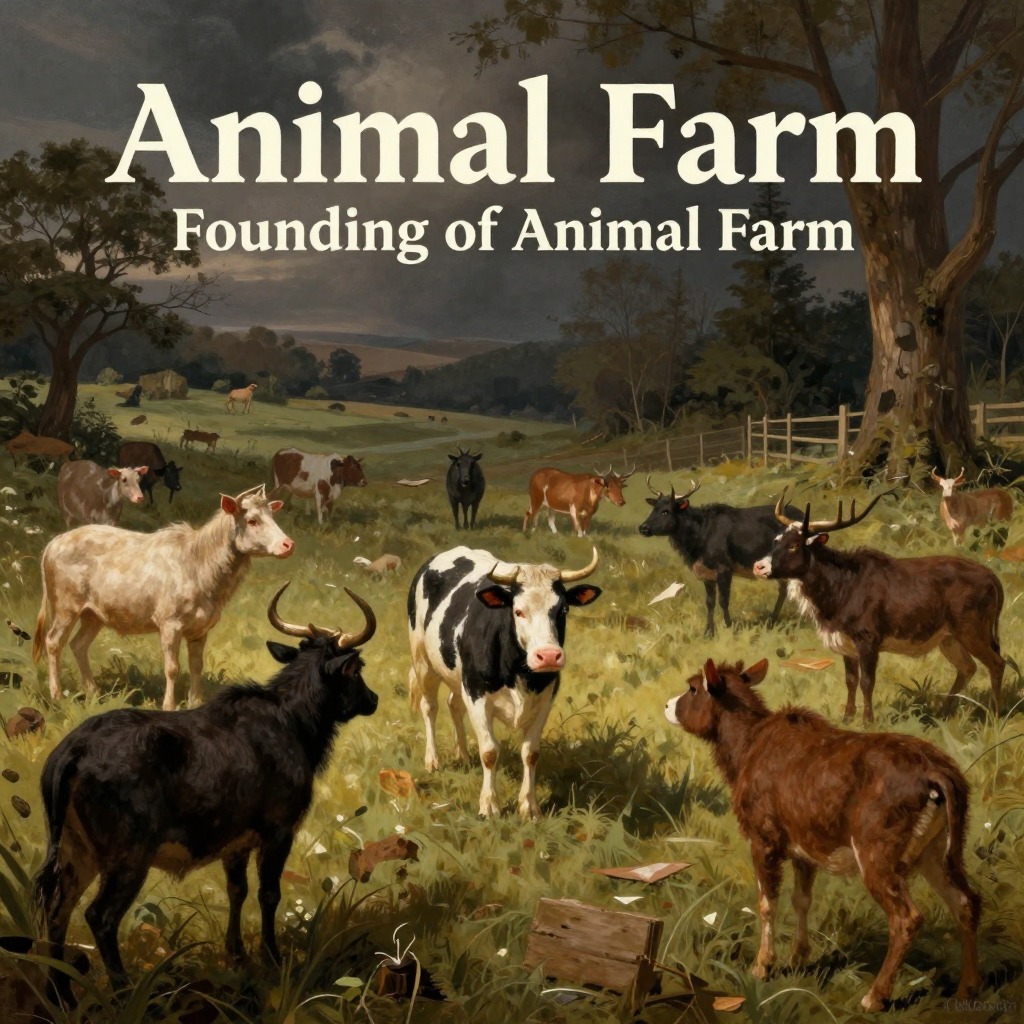
The name "Animal Farm" had been a foundational symbol of the Rebellion. It was painted on the five-barred gate by Snowball, who was best at writing, immediately after the expulsion of Mr. Jones, replacing the old name "Manor Farm." This act marked the birth of a new order, a farm owned and operated by animals. The name was a declaration of independence, a constant reminder of the principles of Animalism. Over the years, however, the pigs, led by Napoleon, systematically dismantled every revolutionary ideal. The Sunday-morning Meetings were abolished, the song 'Beasts of England' was forbidden, and the Seven Commandments were subtly altered to justify the pigs' privileges. The renaming of the farm is the final, public repudiation of the Rebellion's original purpose.
The Announcement at the Banquet
The announcement comes during a banquet held in the farmhouse, where Napoleon and his fellow pigs entertain a deputation of neighbouring farmers, including Mr. Pilkington of Foxwood. The pigs, now walking on their hind legs and wearing clothes, are completely at ease. Napoleon, occupying the seat of honour, delivers a short speech. He states that a long period of misunderstanding is at an end and that the sole wish of himself and his colleagues is to live at peace and in normal business relations with their neighbours. He then reveals that the name "Animal Farm" has been abolished. The farm is to be known once more as "The Manor Farm." He proposes a toast: "To the prosperity of The Manor Farm!" The human farmers cheer heartily, and the mugs are emptied to the dregs.
The Erasure of Revolutionary Symbols
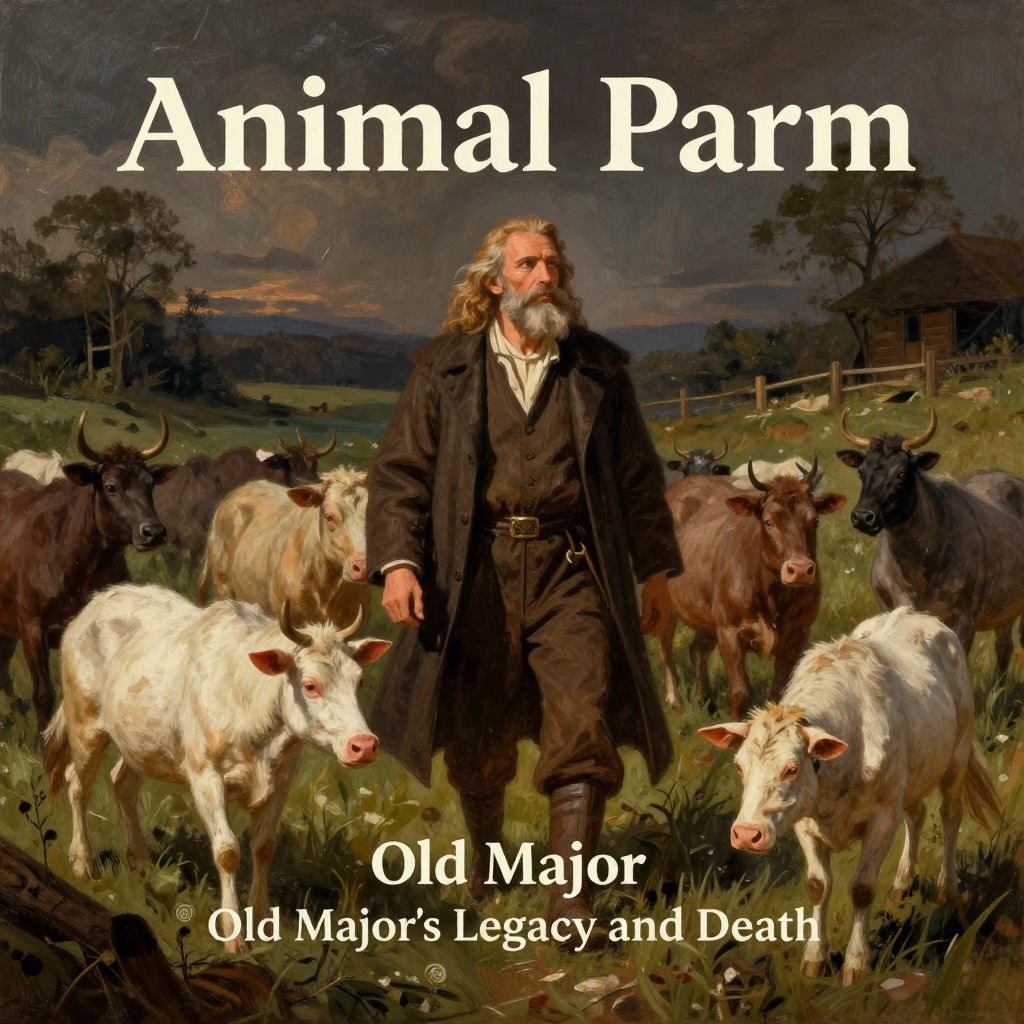
The renaming is accompanied by other symbolic erasures. Napoleon announces that the custom of addressing one another as "Comrade" is to be suppressed. The strange custom of marching every Sunday morning past a boar's skull—the skull of Old Major, which had been disinterred and set up on a stump at the foot of the flagstaff—is also to be suppressed, and the skull has already been buried. Furthermore, the green flag which flew from the masthead, once marked with a white hoof and horn signifying the future Republic of the Animals, will now be a plain green flag. Every visible emblem of the Rebellion is systematically removed, leaving only the pigs' authority and the new-old name.
The Significance of the Return to 'Manor Farm'
The reversion to "The Manor Farm" is the ultimate act of betrayal. It signifies that the pigs have not only adopted the vices of humans—sleeping in beds, drinking alcohol, engaging in trade, wearing clothes—but have also fully integrated themselves into the human power structure. The name "Animal Farm" had represented a distinct, revolutionary identity. By discarding it, Napoleon signals that the farm is no different from any other exploitative enterprise. The animals outside, who have laboured and suffered for the promise of a better world, watch the banquet through the window. They see the pigs and the human farmers playing cards and drinking together. As they look from pig to man and from man to pig, it becomes impossible to say which is which. The renaming is the final proof that the revolution has been entirely consumed by the very tyranny it sought to overthrow.